
La cuenca caliza
Las escasas lluvias del invierno no bastan
para desbordar la cuenca caliza de Carran.
Sin cisnes este año, una bandada de estorninos
se eleva como el trazo de un calígrafo.

El lago está vacío, pero mi copa llena
de regalos para conmemorar otro año:
unas manos firmes al volante,
el sol amarillo de una tarta recién hecha.

La nueva estación llega en la estela de la muerte,
discreta y de puntillas detrás de los dolientes.
Sin lluvia, hielo o nieve, solo el silente empuje
de los brotes blancos, inadvertidos hasta hoy.
The Limestone Bowl
Scant winter rains are not enough
to flood Carran’s limestone bowl.
No swans this year, but a flock of starlings
that rise in a caligrapher’s upward stroke.

The turlough is empty but my cup is full
of gifts to mark another year:
a pair of hands steady at the wheel,
the yellow sun of a freshly-baked cake.

The new season enters in the wake of death,
discreetly tip-toeing behind the mourners.
No rain, ice or snow, just the silent thrust
of white tips unobserved until today.
Carran
No podría decir
que me sentí como un milagro andante
cuando nos dirigimos hacia el sur
el primer día de primavera.

La nieve en el Burren
dilataba las rocas enjutas,
tapiaba las oquedades de los muros
para que el aire no las atravesase
y el valle se hundía aún más
en un silencio contenido.

Tres cisnes cruzaron el lago
en un vuelo oneroso,
el graznido y resuello del ascenso
no resonaron en la piedra alfombrada.

No fui al pozo
en busca de más milagros
que los que se habían obrado:
la desaparición conjurada
por la mano del cirujano,
la magia venenosa
enroscada en la copa.

Fui para dejar flores,
sacar agua y escuchar su canción,
acercarme a la chimenea,
oír palabras recitadas,
versos familiares cantados
y recordar voces ausentes.

Para dar las gracias
al final de un largo año
de días en los que odiaba
tener que estar agradecida.

En esa mañana de doble cara
pude echar la vista atrás,
a mis huellas ensangrentadas,
y las vi cubiertas de nieve,
antes de enfrentarme a la página en blanco.
Carran
I could not say
I felt like a walking miracle
as we travelled south
on the first day of spring.

Snow on the Burren
fleshed out skeletal stones,
stopped gaps in the walls
so the air could not pass
and the valley sank deeper
into smothered soundlessness.

Three swans heaved across the lake
in burdensome flight,
the huff and cronk of the long pull
echoless on the blanketed stone.

I went to the well
in search of no more miracles
than those already worked:
the vanishing act conjured
by the surgeon’s hand,
the venomous magic
that coils around the cup.

I went to leave flowers,
draw water and listen to its song,
gather round the fire
to hear words recited,
familiar lines sung
and recall absent voices.

To be thankful
at the end of a long year
of days when I hated
having to be grateful.

On that two-faced morning
I could look back
at my bloodied footprints
and see them fill with snow,
then turn to face the blank page.
Nana del cielo
               «Por una alondra que erige su canto
               nos olvidamos que es duro morir»
               Gabriela Mistral
Una guirnalda de cantos alrededor de tu cama,
petirrojo, mirlo, pinzón y reyezuelo.

La alondra se elevará antes que el sol,
para alzarlo en la hebra que ovilla
con hilos de cielo y viento.

Disparada como una flecha desde tierra
se detiene en lo alto, un sonido incorpóreo
que cuelga en el aire entre corcheas y trinos.

No hay humo en el hogar de la alondra,
ningún fuego delata su paradero
solo un lecho de hierba y pelo bajo los pies.

Anda con cuidado durante día,
los huevos de la alondra son presa fácil
para las ratas hambrientas y las botas.

Su única defensa es su canto al sol,
temblor en la garganta y vibración en los pulmones
cuando el halcón revolotea con las garras preparadas.

Escucha: la noche tiene su propia cadencia,
el silbido y traqueteo de los trenes distantes
un sonido de teclas en la brisa suave.

Una guirnalda de cantos alrededor de tu cama,
petirrojo, mirlo, pinzón y reyezuelo.

La alondra se elevará antes que el sol,
para alzarlo en la hebra que ovilla.
Duérmete y despierta con esta canción.
Sky Lullaby
               The skylark lifts its song so high
              We forget how hard it is to die.
               Gabriela Mistral
A wreath of green birdsong around your bed,
robin, blackbird, finch and wren.

The lark will rise before the sun
to draw it up on the thread it spun
from silken strands of sky and wind.

Shot like an arrow from the ground
it halts on high, a bodiless sound
that hangs in the air from quavers and trills.

There is no smoke in the skylark’s house,
no fire to betray its whereabouts
just a cup of grass and hair underfoot.

Step carefully through the hours of day,
know the lark’s eggs are easy prey
to the hungry rat and trampling boot.

Its only defence is its song to the sun,
the quaver in throat and quiver in lung
as the merlin wheels its taloned hunt.

Listen: darkness has its own strains,
the toot and trundle of distant trains
soft chime of keys in the stirring air.

A wreath of green birdsong around your bed,
robin, blackbird, finch and wren.

The lark will rise before the sun
to draw it up on the thread it spun.
Sleep now, and wake to its song.
Paseando por el camino de la turbera
Se le ocurrió que la felicidad sería sentir una alondra
que se elevara desde el fondo del estómago a la cabeza,
para estallar en una canción que solo ella reconociese.

Que su corazón era un huerto vallado
atendido por las jardineras Prudencia, Constancia y Fe,
pero su vida se parecía más a una turbera en la colina
y sus gentes, huevos de aves cantoras en el suelo,
invisibles al ojo humano, aunque totalmente expuestos.

Que en las relaciones lo importante era elegir los pasos
por esa turbera sin molestar nido alguno
y que la posibilidad de ser feliz dependía en cierto modo
de una cercanía con la fragilidad
que solo se da en la naturaleza;

como los huevos de la alondra, era algo
inasible, algo que romperá el cascarón
eternamente.
Walking the Bog Road
It came to her that happiness would feel like a lark
rising from the pit of her stomach to her head
to explode in a song only she would recognise.

That her heart was a walled garden
tended by gardeners called Prudence, Constance and Faith,
but her life bore a closer resemblance to a hilltop bog
and the people in it, eggs laid by song-birds on the ground,
invisible to the human eye yet utterly exposed.

That relationships were all about picking steps
across that bog without disturbing any nests,
and the possibility of joy somehow hung
on an intimacy with frailty
only known in wildness;

like the lark’s eggs, it was something
that could not be grasped, something
perpetually to be hatched.
Venial
Hoy no puedo enfrentarme a los espacios abiertos
ni a los molinos de viento de la colina.
Sus aspas lanzan continuas señales de alarma,
nos recuerdan que nuestra vida enlazará
desde lo primero y más arduo que hagamos,
     hasta lo último.

No puedo soportar el verde crujido
de los nuevos brotes o el canto fanático de la alondra,
esa desesperada negación de su acelerado deterioro
y temo los afilados dientes y garras,
ver otro pájaro en las fauces del gato.

Necesito pasear en un lugar concurrido,
consolarme con los comercios veniales,
cuyas brillantes superficies no revelan
la insidiosa verdad bajo la ropa,
que todos somos supervivientes, de momento,
del ataque decretado al cuerpo.
Venial
I cannot face open spaces today
nor the windmills on the hill.
Their arms wave in persistent distress,
reminders that our lives will loop
from the first and hardest thing we do
to the last.

I cannot bear to hear the green creak
of new growth or the lark’s fanatic song,
desperate denial of its own quickening ebb
and I dread the razor-edge of tooth and claw,
the sight of another fledgling
in the cat’s maw.

I need to walk in a peopled place,
take comfort in the venial commerce
of shops whose shining surfaces reveal nothing
of the creeping truth beneath our clothes -
that we are all survivors, for now,
of the body’s ordained assault.
Cambio de estación
Uno de febrero: la membrana del tiempo
es tan fina que rezuma recuerdos.

Al igual que la temporada, el cuerpo se estira hacia
una luz apenas visible, se esfuerza por encontrar

algo solido a lo que aferrarse.
Una juncia valdrá, no necesariamente en el remate,

una hoja de hierba, incluso una hebra
puede ser la primera en un tejido

que alumbre un estampado multicolor
con lenguas llameantes de fuego zoroastrico

cuando las manos revolotean como alciones en el telar
y la alfombra palpita mientras crece.
The Turn in the Year
February first: the membrane of time
has grown so thin it leaks memories.

Like the season, the body strains towards
a barely visible light, strives to find

some solid thing to hold onto.
A straw will do, not necessarily the last,

one blade of grass, even one thread
can become the first in a weave

that sparks a multi-coloured paisley
with blazing tongues of Zoroastrian fire

as hands like kingfishers dart about the loom
      and the carpet thrums as it grows.
La remolona
para Kathleen Reilly
Algunas mañanas no conseguía abandonar las alondras
y se quedaba en los campos cuando sonaba la campana,
después iba hacia el colegio atravesando jacintos, primaveras
y la cerca del vecino en la que su hermana había dejado una piedra
para avisarle de que ya se habían ido.

Hasta que no veía las ventanas de la escuela
no le calaba hasta los huesos el miedo a las consecuencias.
Al carecer de malicia, confesaba directamente que
se había retrasado en el prado para oír las alondras,
no había otra forma de expresarlo ni nada más que decir.

El silencio que provocaba su confesión era largo,
demasiado largo para que lo entendiera. La profesora se quitaba las gafas,
miraba por la ventana el cielo que respiraba
como intentando recordar lo que había dejado allí,
después, sin que apenas se le oyera, decía: «Venga, siéntate».
Dallying
for Kathleen Reilly
Some mornings she could not leave the larks
but lingered in the fields after the bell sounded
then walked to school past wild hyacinths, cowslips
and the neighbour’s gate where her sister left a stone
to tell her they had gone ahead.

It was only when the high school windows were in sight
that a dread of consequence crept into her bones.
Having no guile, she owned up right away -
she had stayed behind in the meadow to listen to the larks,
there was no other way to say it, nothing else to say.

The silence that followed her confession was long,
too long for her to read. The teacher removed her glasses,
glanced up through a window at the breathing sky
as though trying to remember what it was she had left there,
then barely audible, said ‘Go on now, go and sit down.’
Traducción del inglés de Enrique Alda
Para leer los poemas de Lorna Shaughnessy en PDF, haga click en el siguiente enlace:
Para escuchar los poemas de Lorna Shaughnessy, haga click en el siguiente archivo de audio:
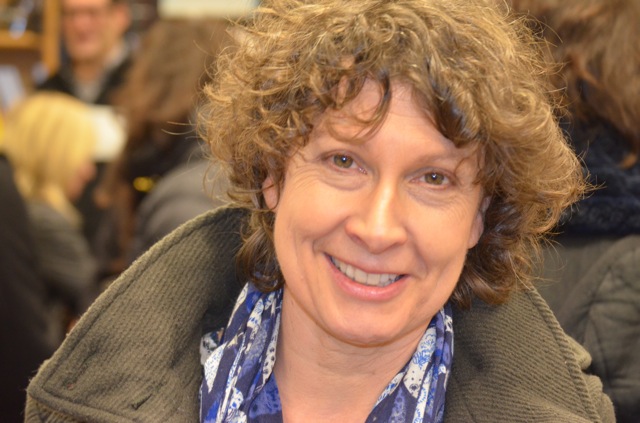
Lorna Shaughnessy es poeta, traductora y editora. Ha publicado cinco poemarios, el más reciente es Lark Water (Salmon Poetry, 2021). Ha traducido cuatro colecciones de poesía mexicana y española y ha coeditado A Different Eden. Ecopoetry from Ireland and Galicia (Dedalus, 2021). Es, asimismo, editora fundadora de Macha Press. Sus poemas han sido adaptados para el teatro y el cine. Website de la autora: https://lornashaughnessy.com
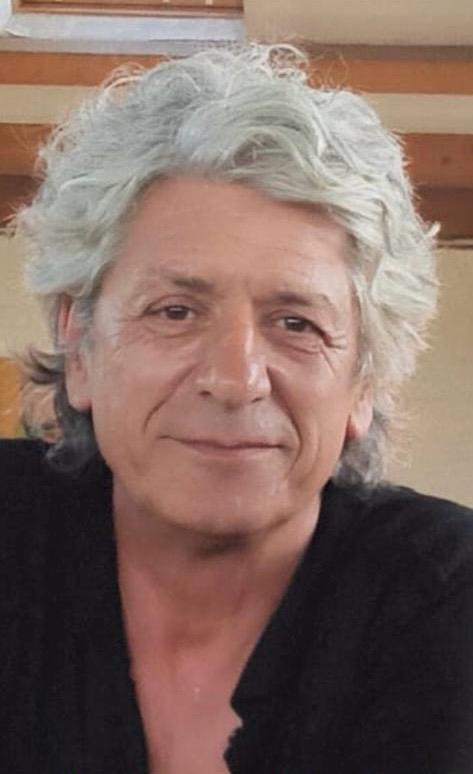
Enrique Alda es licenciado en Traducción e Interpretación por la Universidad de Salamanca y lleva veintisiete años dedicado exclusivamente a la traducción. Ha vertido al castellano más de ciento cincuenta libros. En los últimos tres lustros ha centrado sus esfuerzos en la literatura y poesía irlandesa, y reparte su tiempo entre las montañas de Wicklow y las estribaciones del Moncayo.